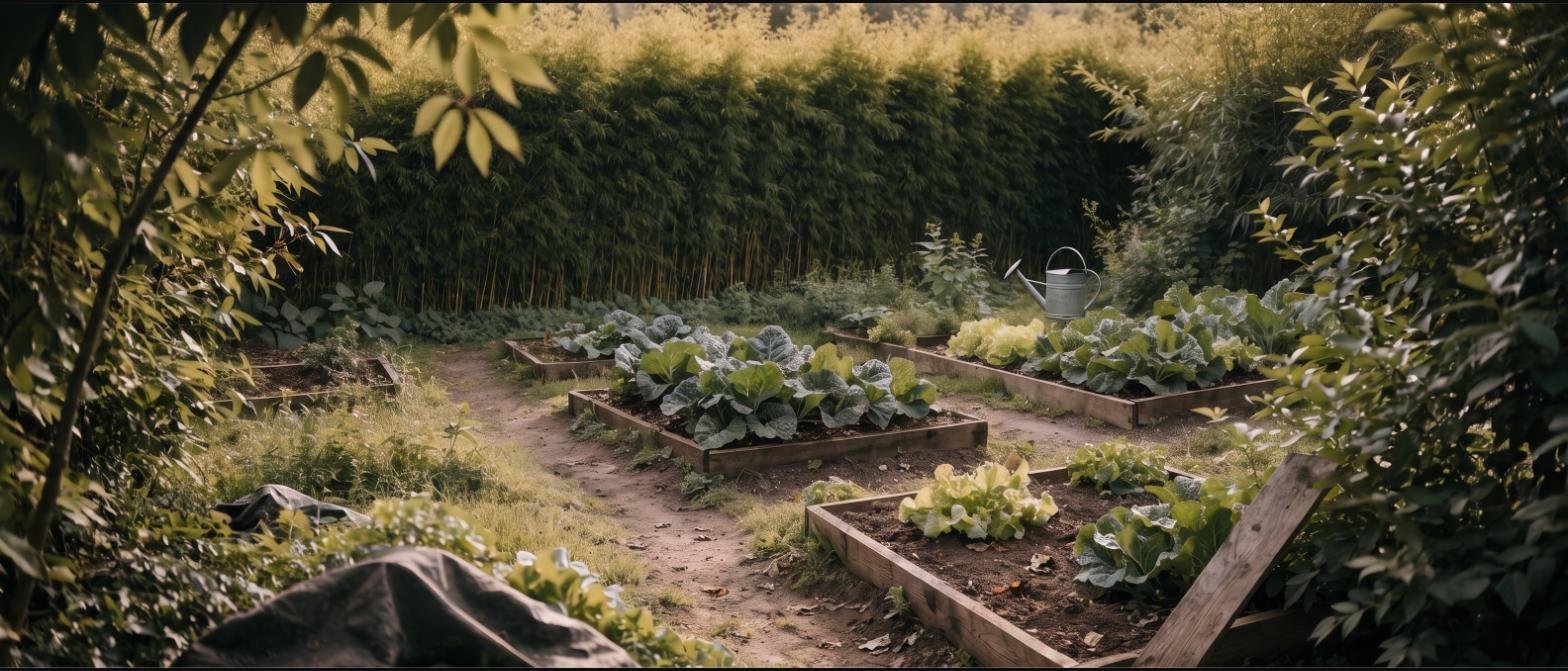
Sustainable living tends to reward things that do more than one job. A rain barrel waters the garden and cuts your water bill. A compost heap deals with waste and feeds the soil. Garden boundaries are usually the exception — a fence sits there costing money, needing stain every few years, and eventually going to landfill.
What a Fence Actually Costs Over Time
A pressure-treated timber fence lasts perhaps fifteen to twenty years in most climates, less if the posts sit in wet ground. Across a typical garden lifetime that is two or three full replacements, each one involving milled lumber, fasteners, transport, and a pile of treated waste you cannot burn or compost. It also gives you nothing back in the meantime.
A hedge of any kind avoids most of that. What makes bamboo unusual is that it does not simply avoid the cost — it produces something useful every single year.
The Second Job: A Renewable Cane Crop
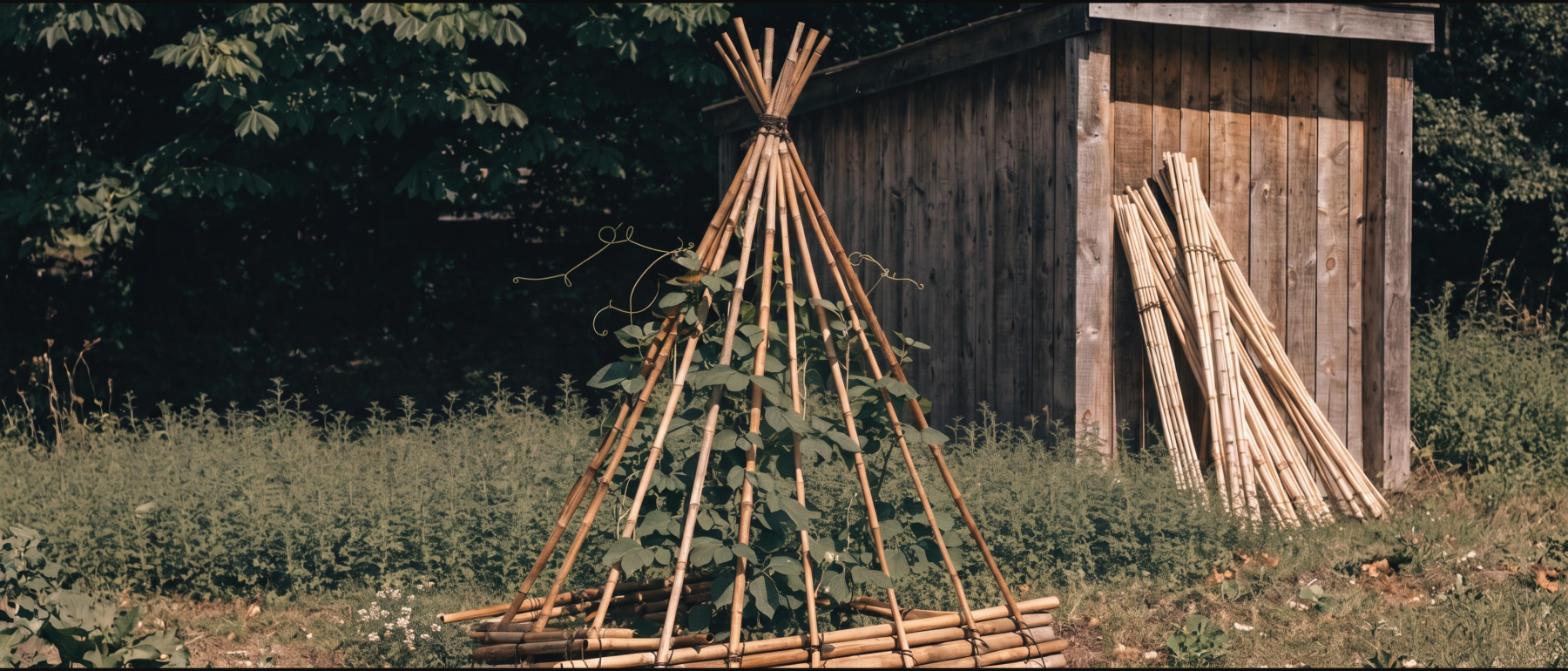
An established clump can be selectively thinned each year for canes, and thinning actually improves the stand rather than damaging it. Those canes become bean poles, tomato stakes, pea supports, trellis frames, row cover hoops and garden markers — most of the small structural stuff a vegetable plot quietly consumes and that otherwise arrives as imported bamboo or plastic.
Cut canes in late autumn or winter when sugar content is lowest, then dry them under cover for several weeks. Untreated canes outdoors typically last two to four seasons, which is a fair return on a plant you were growing for privacy anyway.

Watch: How to Grow, Harvest & Use Bamboo in Permaculture (YouTube)
The Third Job: Spring Shoots
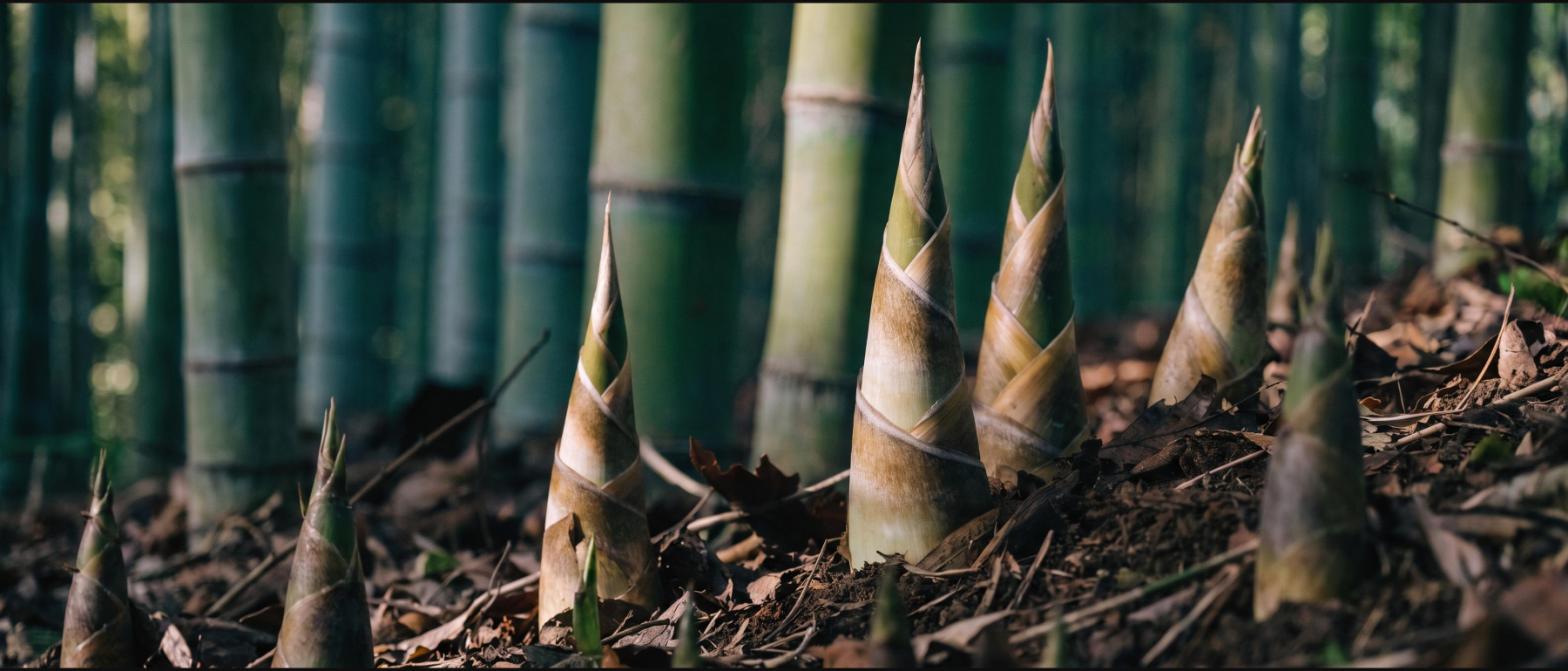
Several species produce edible shoots in spring. One caution that matters: raw bamboo shoots contain cyanogenic compounds and must be sliced and boiled, with the water changed, before eating. Handled properly they are a genuine crop and arrive at the hungry gap when little else is ready.
Choose the Right Type, Once
This is the decision that determines whether the plant is an asset or a twenty-year headache. Running types spread by underground rhizomes and will cross into a neighbour’s ground. Clumping types expand slowly outward from a compact crown and stay where you put them. For anyone growing bamboo for privacy on a small plot or a rented one, clumping is the only sensible choice — and it is not a decision you can revisit cheaply.
Give it two or three seasons to screen properly. Then it starts paying you back, every year, for doing nothing more than standing where a fence used to be.