One Plant, Three Jobs: Rethinking the Garden Boundary
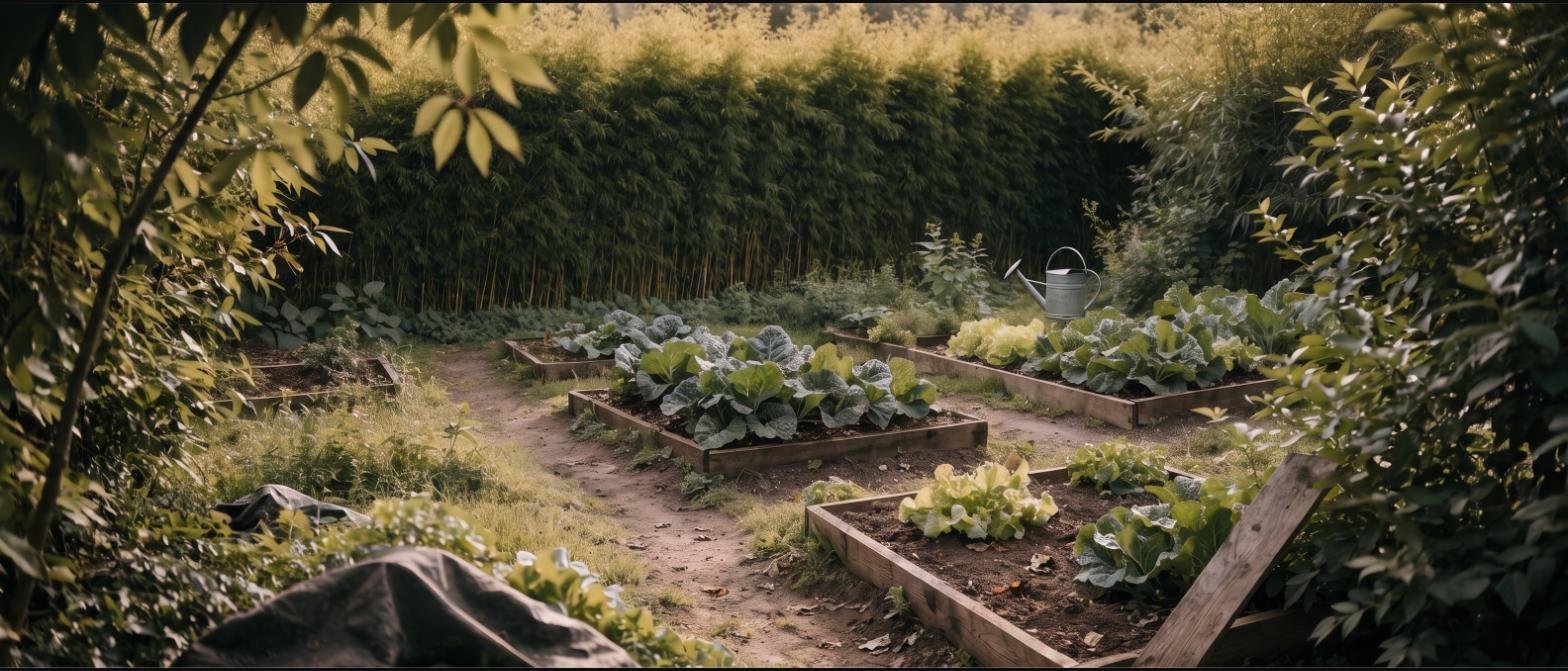
Sustainable living tends to reward things that do more than one job. A rain barrel waters the garden and cuts your water bill. A compost heap deals with waste and feeds the soil. Garden boundaries are usually the exception — a fence sits there costing money, needing stain every few years, and eventually going to landfill.
What a Fence Actually Costs Over Time
A pressure-treated timber fence lasts perhaps fifteen to twenty years in most climates, less if the posts sit in wet ground. Across a typical garden lifetime that is two or three full replacements, each one involving milled lumber, fasteners, transport, and a pile of treated waste you cannot burn or compost. It also gives you nothing back in the meantime.
A hedge of any kind avoids most of that. What makes bamboo unusual is that it does not simply avoid the cost — it produces something useful every single year.
The Second Job: A Renewable Cane Crop
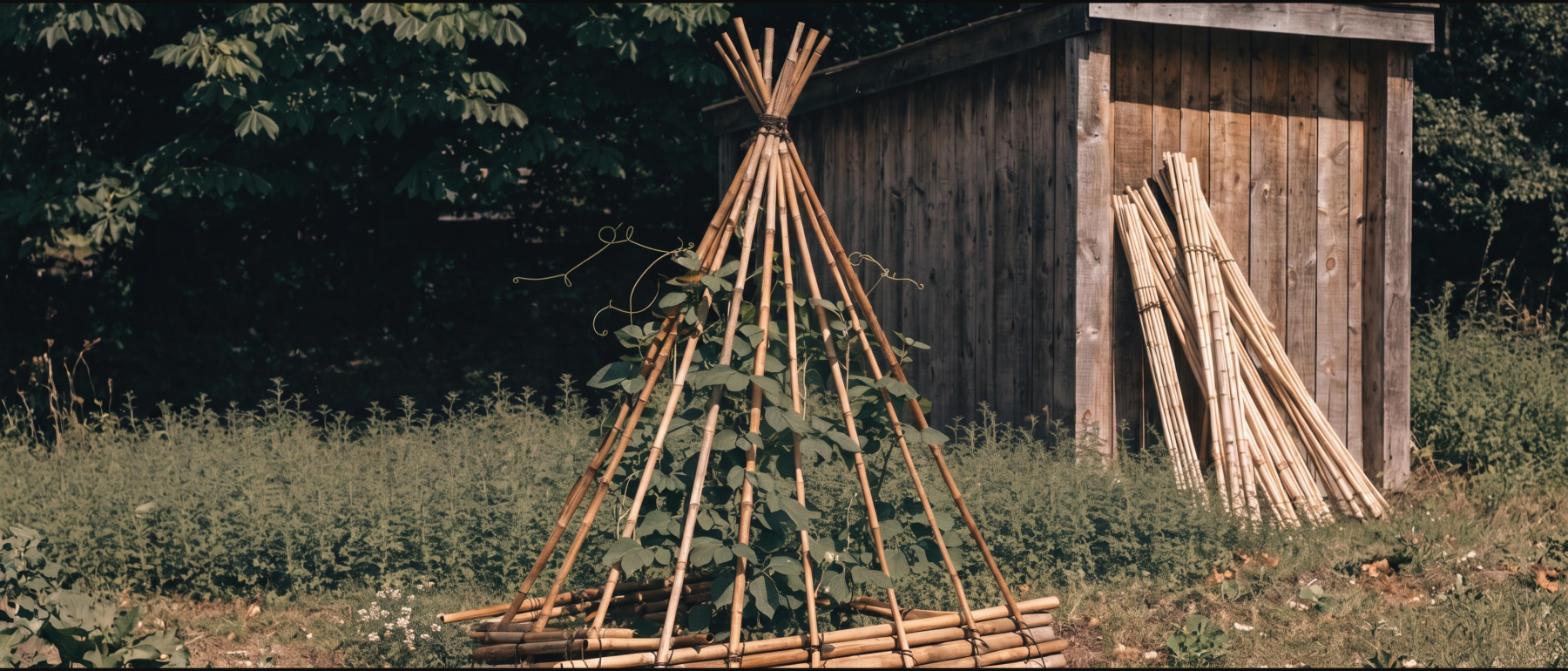
An established clump can be selectively thinned each year for canes, and thinning actually improves the stand rather than damaging it. Those canes become bean poles, tomato stakes, pea supports, trellis frames, row cover hoops and garden markers — most of the small structural stuff a vegetable plot quietly consumes and that otherwise arrives as imported bamboo or plastic.
Cut canes in late autumn or winter when sugar content is lowest, then dry them under cover for several weeks. Untreated canes outdoors typically last two to four seasons, which is a fair return on a plant you were growing for privacy anyway.

Watch: How to Grow, Harvest & Use Bamboo in Permaculture (YouTube)
The Third Job: Spring Shoots
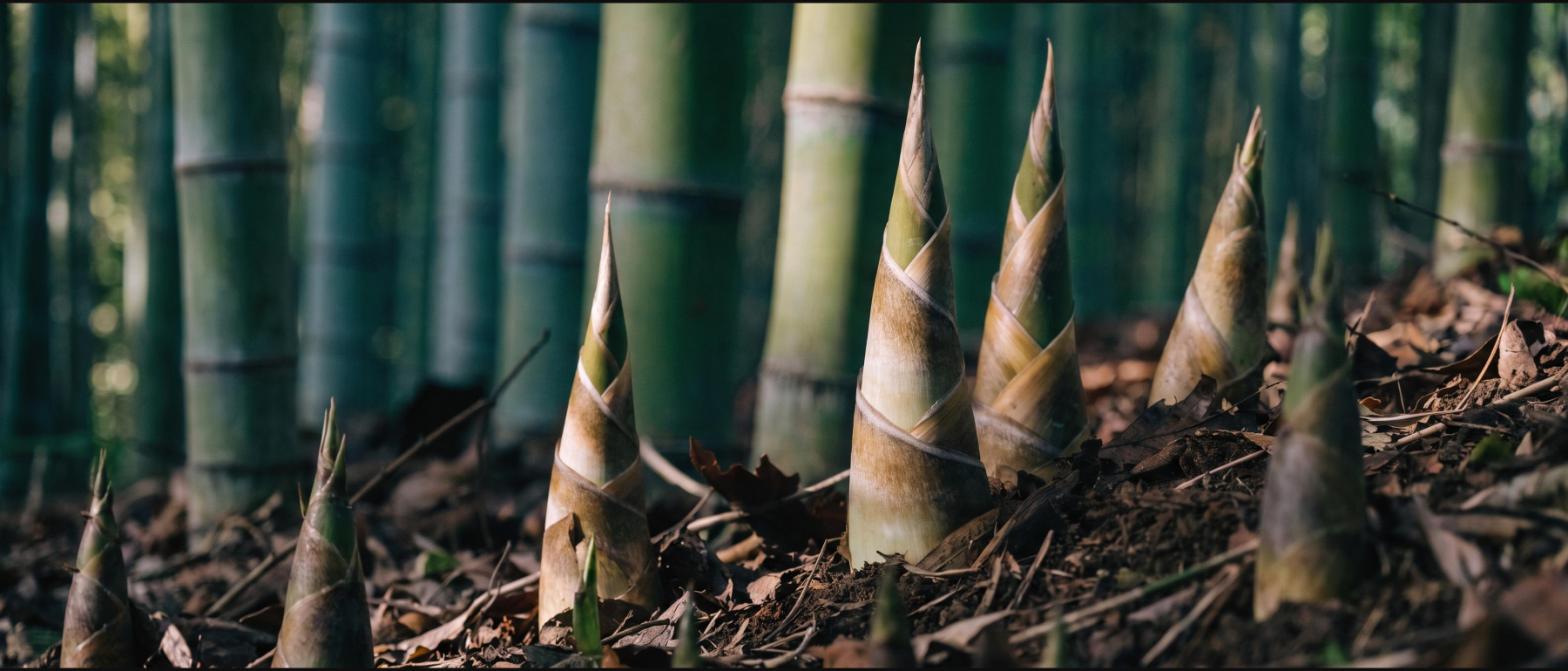
Several species produce edible shoots in spring. One caution that matters: raw bamboo shoots contain cyanogenic compounds and must be sliced and boiled, with the water changed, before eating. Handled properly they are a genuine crop and arrive at the hungry gap when little else is ready.
Choose the Right Type, Once
This is the decision that determines whether the plant is an asset or a twenty-year headache. Running types spread by underground rhizomes and will cross into a neighbour’s ground. Clumping types expand slowly outward from a compact crown and stay where you put them. For anyone growing bamboo for privacy on a small plot or a rented one, clumping is the only sensible choice — and it is not a decision you can revisit cheaply.
Give it two or three seasons to screen properly. Then it starts paying you back, every year, for doing nothing more than standing where a fence used to be.
Farm Fresh with a Global Twist: Exploring Exotic Flavors
Farm fresh meals have long been associated with simplicity, wholesomeness, and a strong connection to the land, but today’s farm-to-table movement is expanding that identity to include bold, exotic flavors from around the world. By pairing locally sourced ingredients with global culinary inspiration, chefs are redefining what farm fresh dining can be. The result is food that feels both grounded and adventurous, offering diners the comfort of fresh, seasonal ingredients while introducing them to complex spices, sauces, and techniques that elevate each dish beyond the familiar.
Start With Quality Ingredients
 At the heart of farm fresh cooking is a commitment to quality ingredients. Fresh vegetables harvested at peak ripeness, humanely raised meats, and locally produced dairy create a foundation of flavor that needs little enhancement to shine. When these ingredients are treated with care, they become the perfect canvas for more adventurous flavor profiles. Rather than masking freshness, exotic seasonings and international techniques amplify natural flavors, creating meals that are vibrant, balanced, and memorable.
Fusion Of Flavors
One standout example of this fusion is duck mole, a dish that brings together farm-raised poultry and the rich culinary traditions of Mexico. Duck, with its naturally deep and slightly gamey flavor, pairs beautifully with mole sauce—a complex blend of chilies, spices, nuts, seeds, and sometimes chocolate. When prepared with farm fresh duck, the dish achieves a luxurious depth that feels indulgent yet rooted in quality sourcing. The slow-simmered mole complements the richness of the meat, creating layers of flavor that unfold with every bite.
What makes duck mole especially compelling in a farm fresh context is the contrast it represents. On one hand, the duck may come from a nearby farm, raised with care and processed responsibly. On the other, the mole sauce draws on centuries-old culinary traditions that span regions and cultures. This combination reflects the modern dining ethos: honoring local producers while embracing the broader world of flavor. It demonstrates that sustainability and sophistication are not mutually exclusive but can work together seamlessly.
Farm To Table
 Farm fresh meals with exotic taste also invite diners to expand their palates in a comfortable, approachable way. Knowing where the ingredients come from builds trust, making guests more open to trying unfamiliar spices or preparations. Dishes like duck mole feel adventurous without being intimidating, offering a sense of discovery while still delivering the hearty satisfaction people expect from well-sourced food. This balance is key to the growing popularity of globally inspired farm-to-table menus.
The evolution of farm fresh dining proves that freshness does not have to mean predictable. By combining locally sourced ingredients with bold, international flavors, chefs are crafting meals that tell a richer story—one that spans farms, cultures, and culinary traditions. Duck mole stands as a perfect example of this philosophy, showcasing how exotic taste and farm fresh integrity can coexist on the same plate, creating an experience that is both nourishing and unforgettable.
Home
 In today’s world, “sustainable living” is not a new word or a foreign concept. Some people have devoted their lives to creating a sustainable living space. However, knowing what it means doesn’t always mean that we KNOW what it is. At its most basic, sustainable means able to be maintained. From there, you have to figure out what it means for you. Again, in its most basic meaning, sustainable living is a lifestyle choice that allows us to reduce our use of Earth’s natural resources.
We will try to help you sort through the confusion of how you can do that as we proceed. It is not as complex as you may feel, but it isn’t always simple either.
A Sustainable Life
 To live a more sustainable lifestyle, you must start with the basics. Reduce your waste and use what you have available. The goal is to reduce your personal and societal environmental impacts by making more positive changes. This reduces your “carbon footprint”.
There is no right or wrong way to live sustainably. What it looks like for you may not be what it looks like for your neighbor. Some may grow their own produce while others may opt to avoid the use of plastics entirely. The truth is any small steps you take will improve some part of our environment. Therefore, it does not matter what you do, as long as you are doing something.
Tips for a Sustainable Life
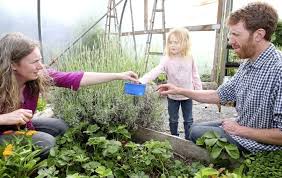 Sustainable living doesn’t mean you have to make drastic changes in your life. At least, not at first. As you begin to get into a routine, things may progress to a point that there has been drastic change in how you live. The transition should be relatively painless. Some ideas for sustainable living include:
- Use Your Cup/Bottle
- Handkerchiefs Over Paper
- Reusable Shopping Bags
- Towels Over Paper Towels
- Create Natural Cleaners
- Grow a Garden
- Lessen Your Vehicles to One
In no way are we saying or implying that you should sell your vehicles, completely stop buying paper products, and growing your own food or cleaners. But, if you do any one of these things, you are helping the environment. If you can do one of them, you may decide to try adding another. For most of us, the BYO cup/bottle is the easiest. Bringing drinks from home that you can reuse will lessen paper cups, Styrofoam cups, straws, and other wastes, with very little effort on your part.
The same could be said for switching to reusable bags. They are cloth bags rather than plastic. Easier to carry and less risk of busting, which is also beneficial to you.
Prepare to Begin Your Journey
No one wakes up and says, “I’ll change my entire way of living today.” The small steps will make the biggest difference. You may wake up tomorrow and just decide to change some small thing in your life and it will help you start setting good habits. From there, you can also encourage your other family members to do the same.